bacan PRESS

Vogue Leaders Miami 2026

Bacan Guaro y Casa Dragones hablan de lujo latinoamericano en Vogue Leaders Miami 2026

Diana Espinosa March y Bertha González Nieves conversaron sobre emprendimiento, identidad cultural y el futuro del lujo latinoamericano. FIRST PUBLISHED BY: Vogue Mexico | November 13, 2026. La tercera edición de Vogue Leaders Miami 2026 reunió a destacadas figuras del mundo empresarial y creativo, para compartir experiencias, reflexiones e ideas sobre liderazgo, innovación y emprendimiento. Una jornada dedicada a explorar los desafíos de construir negocios y generar nuevas oportunidades a través de conversaciones con mujeres que están transformando sus respectivas industrias. Read the full story here.

Read More »
Bacan Guaro Expands Distribution

Bacan Guaro Expands Distribution as Interest in Aguardiente Grows

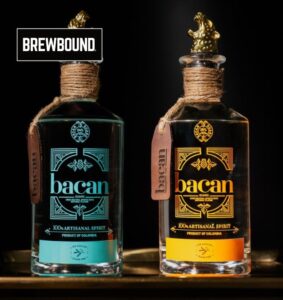
The World’s Most Awarded Aguardiente Adds Seven U.S. Markets and Makes International Debut. FIRST PUBLISHED BY: Brewbound | November 09, 2026. MIAMI (November 9, 2026) — Bacan Guaro, the super-premium Colombian aguardiente made with organic ingredients, has expanded distribution into Colorado, Connecticut, Illinois, Nebraska, Rhode Island, South Carolina and Texas. The additions bring its U.S. footprint to 17 markets, more than five times its reach at launch in July 2024. Bacan is also entering Ecuador and Argentina, its first markets outside the United States. New U.S. distribution partners include Southern Glazer’s Wine & Spirits in Colorado and Texas, Brescome Barton in Connecticut, Intertrade in Illinois, Alma Distributors in Nebraska, Mancini Beverage in Rhode Island, and Morales Beverage Group in South Carolina. Read the full story here.

Read More »
Bacan October 2026 Recap

Bacan October 2026 Recap: A Month of Global Experiences

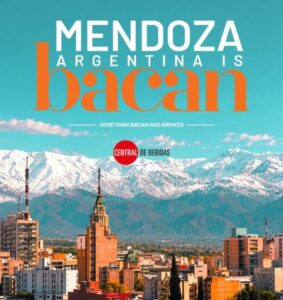
October was a month of new connections, international experiences, and exciting milestones for Bacan Guaro. From the world of fashion in Paris and Miami to lifestyle collaborations, new market opportunities in Argentina, and cocktail innovation in Ecuador, Bacan continued taking Colombian aguardiente into new spaces. Each experience reflected one shared vision: bringing Colombian heritage to a global audience. October Highlights: Taking Colombian Spirit Around the World Throughout October, Bacan participated in events and collaborations that connected the brand with fashion, design, hospitality, and the international spirits industry. More than a series of appearances, these experiences represented new opportunities to introduce premium Colombian aguardiente to different audiences and markets. Paris: Colombian Identity Meets International Fashion Bacan began the month with its participation in Colombiamoda Paris, an international gathering celebrating Colombian creativity and fashion. Being part of this experience allowed Bacan to connect its identity with the worlds of design, culture, and contemporary style. It also reinforced the brand’s belief that Colombian heritage has a place on the world’s most influential stages. Porsche × Baúl: Where Design Meets Lifestyle Bacan also joined Porsche × Baúl, a brand collaboration that brought together design, lifestyle, and distinctive experiences. This participation offered an opportunity to introduce Bacan to new audiences in an environment where brands share a passion for quality, creativity, and distinctive identity. Miami Fashion Week: Celebrating Fashion and Creativity Miami continued to be an important destination for Bacan during October, with two experiences connected to Miami Fashion Week. The first brought Bacan into the creative environment of Stitch Lab, a platform connected to Latin American fashion and design. The second accompanied the runway presentation of Colombian designer Joan Sebastian Grey. Both experiences strengthened the relationship between Bacan and the fashion industry, connecting Colombian aguardiente with contemporary creativity and international style. Mendoza, Argentina: A New Chapter for Bacan October also marked an important milestone in Bacan’s international expansion: the brand’s arrival in Mendoza, Argentina. Known for its wine culture and vibrant spirits scene, Mendoza represents an exciting opportunity for Bacan to introduce Colombian aguardiente to a new audience. This development is another step toward expanding the brand’s international presence and sharing the distinctive character of guaro beyond Colombia. Ecuador: A New Cocktail Experience at Abysmo Pubs In Ecuador, Bacan accompanied the launch of a new menu at Abysmo Pubs. The collaboration created an opportunity to bring Bacan into innovative cocktail experiences, introducing guests to new ways of enjoying Colombian aguardiente. Through creative mixology and the distinctive Bacan style, the initiative helped connect the brand with new consumption occasions and the local hospitality scene. Argentina Spirits Awards: Connecting with the Spirits Industry Bacan also participated in Argentina Spirits Awards, joining a gathering dedicated to the spirits industry. The event provided an opportunity to connect with other brands and industry professionals while increasing Bacan’s visibility in the Argentine market. It was another occasion to showcase the quality and character of Bacan alongside other spirits, reinforcing the brand’s commitment to establishing Colombian aguardiente in the international spirits conversation. A Month That Reflects Bacan’s Global Vision October brought together several important dimensions of Bacan’s growth. In Paris and Miami, the brand connected with fashion, design, and lifestyle. In Argentina, it took another step toward expanding its market presence through its arrival in Mendoza and participation in Argentina Spirits Awards. Meanwhile, in Ecuador, its collaboration with Abysmo Pubs demonstrated the role of creative mixology in introducing aguardiente to new audiences. Although each experience was different, they all shared a common purpose: bringing the essence of Colombia into new conversations, cultures, and experiences. Colombian Roots. Global Experiences. At Bacan, international growth is about more than entering new markets. It is about sharing the traditions, flavors, and craftsmanship that make Colombian aguardiente unique. Every collaboration, event, and new opportunity helps tell that story in a different way. October was another reminder that Colombian spirit has no borders. Bacan Guaro. Colombian roots, global experiences.

Read More »

National Drink of Colombia

Article Summary: Legally, the national drink of Colombia is coffee. But the unofficial national drink of Colombia is often reserved for Aguardiente, the sugarcane-based spirit flavored with anise. Continue reading to learn what has made each of these so important to Colombian culture.  Like many places around the world, Colombia’s national identity is closely tied to its food and drinks.  And when it comes to drinks, Colombia is fanatical about two things: Coffee and aguardiente.  Legally, coffee is the national drink of Colombia, thanks to a law passed in 2025. But aguardiente is frequently recognized as the unofficial national drink of Colombia—though there are many other popular drinks in the country.  That’s fierce competition.  Fortunately, you don’t have to pick sides. You can enjoy both of them equally—and you can even enjoy them together in our custom cocktails. Check out our recipes for the Colombian Espresso and the Bacan Y Cafe.  Continue reading to learn more. Table of ContentsThe Official National Drink of Colombia: CoffeeThe Unofficial National Drink of Colombia: AguardienteThe Case for AguapanelaTry Aguardiente The Official National Drink of Colombia: Coffee In July of 2025, Colombian lawmakers formally announced coffee as the country’s official national drink.  And it makes sense; coffee is critical to Colombia’s identity and culture. Some important facts about coffee and Colombia: Interestingly, the average Colombian actually consumes less coffee than people do in the United States. While per capita consumption in the US hovers around 4.4 kilograms, Colombia only notches around 3.4 kilograms among its adult population.  Still, consumption is high; most Colombians drink coffee five or six days a week, and many enjoy 3–4 cups per day! (That’s more than the single cup most doctors recommend.) The next time you make coffee, check the label on the packaging; there’s a good chance it’s from Colombia. Brands like Juan Valdez, Eight O’Clock Coffee, and Maxwell House frequently use Colombian beans or Colombian blends.  The Unofficial National Drink of Colombia: Aguardiente We commonly hear aguardiente described in one of two ways: Either way, we agree. It certainly is popular enough!  In 2024, Colombians consumed, on average, 4.87 liters of pure alcohol per capita, and aguardiente was by far their top choice of alcohol.  That number is even higher in the Andean region, where aguardiente consumption is regularly 2.5 times higher than the rest of the country.  So, what makes aguardiente so popular? Four things have helped aguardiente become part of Colombia’s national identity:  1. History. Sugarcane exploded across Colombia during the Spanish colonial era, and aguardiente soon replaced traditional drinks like chicha. Over time, aguardiente has embedded itself in Colombian culture, as we’ll discuss momentarily.  2. Local Pride. Many Colombian “departments” (states) run their own liquor brands, tying these drinks to local identity and reinforcing local pride.  3. Social Ties. Aguardiente has become a staple at family gatherings, neighborhood celebrations, and holiday festivities, and pairing it with foods like buñuelo and natilla helps the anise flavoring pop.  4. Accessibility. Aguardiente is popular across all social classes, and it’s often a cheap, high-alcohol liquor that’s perfect for celebrations. Most aguardientes have at least 24%–29% ABV, which is quite potent.  The Case for Aguapanela By now, we know two things: But there’s a third drink to know: aguapanela.  “Aguapanela” (also spelled “agua de panela”) literally means “sugar water,” and it’s made by dissolving unrefined cane sugar (panela) in water to make a sweet, caramel-colored drink.  Aguapanela is a traditional beverage found throughout Colombia, and it’s often mixed with citrus (fresh lime or lemon) or spices (like cinnamon sticks or ginger).  While it was originally meant to provide a quick, hydrating energy boost for field workers, it’s become a staple in Colombian culture, and many mix it with their coffee or enjoy it like an American sweet tea. Because of its incredible popularity, some also refer to aguapanela as a national drink of Colombia—but it’s still not held in the same regard as coffee or aguardiente.  Try Aguardiente If you’re ready to try aguardiente, purchase Bacan 24 or Bacan 29—our two original recipes. Bacan 24 provides a slightly sweet, anise taste with a smooth finish, while Bacan 29 offers a more complex flavor featuring floral notes and a hint of pepper.  Check our map for a store near you!

Read More »
Bacan at Miami Fashion Week 2026

Bacan at Miami Fashion Week 2026: Colombian Style

Fashion, culture, and Colombian flavors came together as Bacan joined Miami Fashion Week and Stitch Lab for two days of international celebration. There are many ways to represent a country on the international stage. Fashion tells its story through design, while spirits express its identity through flavor and tradition. At Miami Fashion Week 2026, Bacan brought these worlds together, celebrating Colombian creativity alongside leading Latin American designers and introducing guests to the distinctive flavors of premium Colombian aguardiente. On October 15 and 16, Bacan was part of an experience that connected fashion, culture, and contemporary mixology in Miami. From the opening in Coral Gables to the runway shows at the historic Freedom Tower, every cocktail offered a taste of Colombia. Miami Fashion Week Meets Stitch Lab This year’s Miami Fashion Week brought together two important names in Miami’s fashion scene: Miami Fashion Week and Stitch Lab. Their collaboration created a platform for Latin American designers, connecting established names and emerging talent with an international audience. The opening took place on Thursday, October 15, at 350 Miracle Mile in Coral Gables. The event featured Colombian designers including Andrés Otálora, Jhoan Sebastian Grey, and Renata Lozano, whose work helped highlight the creativity and influence of Colombian fashion. Bacan joined the opening with its signature cocktails, bringing a different expression of Colombian identity to the celebration. Because fashion and Bacan share a common belief: Colombian heritage can inspire experiences that resonate around the world. Two Days of Colombian Flavors and Fashion On Friday, October 16, the celebration continued at the iconic Freedom Tower at Miami Dade College, where the runway welcomed three designers: Jacqueline Then, Giannina Azar, and Colombian-born Jhoan Sebastian Grey. More than 600 guests experienced Bacan through a cocktail selection created especially for the occasion: Each cocktail had its own personality. Together, they celebrated Colombian ingredients, flavors, and craftsmanship while complementing the creativity of the runway. The experience was about more than serving drinks. It was about giving guests a taste of Colombia and showing how traditional ingredients can become part of modern luxury experiences. Jhoan Sebastian Grey: Colombian Creativity on the Runway One of the highlights of the evening was the presentation by Jhoan Sebastian Grey, a Colombian designer from Cali whose international career reflects the creativity and ambition of Latin American fashion. As reported by Forbes Colombia, Grey’s story is deeply connected to his roots. Growing up around his family’s leather goods business, he developed an appreciation for detail, craftsmanship, and construction. His interest in fashion took shape after attending a ballet performance, which inspired him to explore the relationship between movement, clothing, and artistic expression. Grey later studied fashion design in Cali and continued his education at the Istituto Marangoni in Miami. He gained international recognition after becoming the first Latino winner of Project Runway Season 17. His creative vision often draws from personal memories, family heritage, and Colombian identity. For example, his collection Lineage explored his family’s influence and the connection between his personal story and his country. His designs combine thoughtful construction, distinctive details, and a contemporary approach to fashion. For Bacan, accompanying his runway presentation was especially meaningful. The collaboration went beyond sharing an event: it celebrated a Colombian creative talent making his mark internationally, while connecting his work with another expression of Colombian craftsmanship. Even the personalized Bacan Sour reflected this connection, featuring his logo and uchuva as a nod to the flavors and traditions of his homeland. Colombian Roots. Global Style. One Spirit. Two days at Miami Fashion Week brought together fashion, creativity, and the unmistakable character of Colombia. From the opening with Stitch Lab in Coral Gables to the runway presentations at Freedom Tower, Bacan celebrated the designers, flavors, and traditions that make Colombian culture so distinctive. More than 600 guests raised a glass to an experience that connected two worlds: fashion and aguardiente. Because Colombian creativity was never meant to stay within Colombia’s borders. It belongs on international runways, in global conversations, and in every experience that celebrates its roots. Bacan Guaro. Colombian heritage, redefined for the world.

Read More »
Colombiamoda Paris

Bacan at Colombiamoda Paris: Colombia in Every Sip

There are things that are born in Colombia but were never meant to stay there. Colombian fashion understood this long ago. Our designers, creativity, and talent have crossed borders and earned a place on the world’s most important stages. At Colombiamoda Paris, Bacan joined that journey, bringing the essence of Colombian aguardiente to an international audience during Paris Fashion Week. Colombiamoda Paris Takes Colombian Talent to the World On October 1, Paris became a meeting point for Colombian creativity, design, and culture. As part of the international presence of Colombiamoda, the event brought Colombia’s fashion industry into the heart of one of the world’s most influential fashion capitals. For Bacan, being part of this experience was about more than participating in a fashion event. It was an opportunity to represent another Colombian icon on an international stage. Fashion has already shown the world what Colombia can create. Now, aguardiente is ready to tell its own story. Bacan Brings Colombian Aguardiente to Paris At the event, Bacan welcomed guests with cocktails inspired by some of Colombia’s most recognizable flavors and traditions. The menu featured three cocktails created specifically to celebrate the connection between Colombian heritage and contemporary mixology: Together, the cocktails created a sensory journey through Colombia, using ingredients and flavors that connect the country with its rich cultural identity. Coffee and Aguardiente: Two Colombian Icons Few things represent Colombia around the world as strongly as coffee. Aguardiente belongs in that conversation, too. The Colombia Espresso brought these two icons together in a single cocktail. Colombian coffee met premium aguardiente, creating a drink that connected two products with deep cultural roots and an increasingly international presence. It was a natural pairing. Both coffee and aguardiente begin with Colombian traditions, yet both have the potential to travel far beyond Colombia. They represent craftsmanship, identity, and the ability to transform local heritage into something the world can experience. A Taste of Colombia Through Passionfruit The Jaguar Mule added another distinctly Colombian element to the celebration: passionfruit. Known in Colombia as maracuyá, this tropical fruit is loved for its bright acidity, fresh aroma, and unmistakable flavor. Combined with Bacan in a Mule-style cocktail, it brought a taste of Colombia’s tropical landscape to Paris. The result was a cocktail that felt both familiar and unexpected. It was also a reminder that Colombian identity is not defined by just one ingredient or tradition. It is a collection of flavors, landscapes, stories, and experiences. From Colombian Roots to a Global Stage Bacan’s participation in Colombiamoda Paris represents a larger idea: Colombian heritage can travel without losing its identity. That philosophy is at the heart of Bacan. The brand was created to present aguardiente in a new way while respecting the traditions that make the spirit unmistakably Colombian. Its presence in Paris offered an opportunity to introduce guests to aguardiente not simply as a traditional Colombian drink, but as a premium spirit with a place in contemporary international culture. Paris was the perfect setting for that conversation. After all, fashion and spirits share something important: both are expressions of identity. Colombia, Elevated Colombian fashion has already demonstrated that local creativity can become global influence. Colombian designers have taken inspiration from the country’s landscapes, craftsmanship, culture, and history and transformed them into collections seen around the world. At Colombiamoda Paris, that same spirit of cultural representation reached beyond clothing. Bacan brought another part of Colombia to the conversation. Through aguardiente, coffee, passionfruit, and Colombian storytelling, the brand helped create an experience where guests could taste the country while discovering its evolving spirit. There are things that are born in Colombia, but were never meant to stay in Colombia. Our fashion understood it. Our talent understood it. Now, it is aguardiente’s turn. Bacan Guaro. Colombian roots. A global spirit.

Read More »

What Type of Alcohol Is Aguardiente?

Article Summary: Aguardiente is a clear spirit made from sugarcane juice, and it’s especially popular in South American countries like Colombia, where it’s commonly consumed during celebrations. Thanks to its anise flavoring, Aguardiente is most similar to ouzo (Greece), raki (Turkey), pastis (France), and sambuca (Italy).  We love aguardiente, but we also recognize an important truth: Not everyone knows what it is.  In fact, when we launch Bacan Guaro into new regions of the United States, we often work to educate locals on what it is and what makes it so special.  To illustrate, check out this video we made on the sidewalks of Miami, when we asked random passersby how to pronounce “aguardiente.” If aguardiente is a new concept for you, that’s OK! Here’s what you should know:  Table of ContentsWhat Type of Alcohol Is Aguardiente?Which Spirits Is Aguardiente Most Like?Aguardiente Vs. Tequila and Rum     Is Aguardiente Similar to Tequila?     Is Aguardiente Similar to Rum? Try Aguardiente For Yourself What Type of Alcohol Is Aguardiente? Aguardiente is a clear spirit commonly made from sugarcane juice, though other varieties exist. It’s closely tied to Colombian culture, but other South American countries have developed a taste for it as well.  It’s become a popular Colombian drink, and some even call it the national alcoholic drink of Colombia. Which Spirits Is Aguardiente Most Like?  We’re hard at work spreading our version of aguardiente across the United States (see our locations), but you’ll find similar drinks around the world.  Aguardiente is most similar to: 1. Ouzo (Greece) – Under European Union law, true ouzo can only be made in Greece or Cyprus. Ouzo is an anise-flavored aperitif intended to be sipped slowly—not taken as a shot. Meant for social settings, ouzo is commonly served with shareable plates of regional cuisine, like olives, feta cheese, and seafood.  2. Raki (Turkey) – Like aguardiente, raki is a social drink, one that’s used during celebrations, holidays, and similar gatherings. And, like aguardiente, raki is closely tied to Turkey’s national identity (much like aguardiente is tied to Colombian culture).  However, raki is commonly made from grapes or raisins instead of sugarcane, and it’s then mixed with aniseed. The resulting product is commonly 40%–50% ABV.  3. Pastis (France) – When France outlawed absinthe in 1915, local citizens searched for a legal alternative, and they created pastis.  This strong drink frequently hits 40%–45% ABV, and the French often mix it with cold water. It’s commonly flavored with star anise, green anise, licorice root, fennel, and regional herbs, which gives it a flavor profile similar to traditional aguardiente. 4. Sambuca (Italy) – Italian sambuca is derived from sugarcane juice and flavored with essential oils from anise, resulting in another product that’s very similar to aguardiente.  Sambuca is commonly 38%–42% ABV, which makes it comparable to many traditional aguardientes. Aguardiente Vs. Tequila and Rum Because aguardiente, tequila, and rum are all popularly associated with Central and South America, many expect aguardiente to be similar to tequila or rum.  But that’s really not the case, as we explain below: Is Aguardiente Similar to Tequila? No. Although aguardiente and tequila are both popular clear spirits stemming from Central and South America, they contain a few critical differences.  Two of the biggest factors: Is Aguardiente Similar to Rum?  No, aguardiente is not similar to rum—though they both stem from sugarcane. As with tequila, rum features two major differences: Try Aguardiente For Yourself The best way to understand aguardiente is to try it for yourself.  Order your first taste of Bacan Guaro by picking from Bacan 24, which offers a smooth, slightly sweet finish, or Bacan 29, which contains hints of pepper and floral notes.  Be sure to check our map to find the location closest to you offering Bacan Guaro. 

Read More »
Aguardiente Cocktails to Try

10 Aguardiente Cocktails You Need to Try

Article Summary: Most people know aguardiente as the fiery alcohol from Colombia, but it pairs incredibly well with mixers. Our aguardiente cocktails are handcrafted to elevate your next event! Most people are surprised to learn that aguardiente is traditionally taken as a straight shot.  After all, aguardiente literally means “fire water,” and it “burns” going down. Despite that, aguardiente is the national drink in Colombia—with some people chasing it with little more than a fresh slice of fruit.  Over the last few years, we’ve worked hard to shake off aguardiente’s tough reputation to create a smooth, enjoyable experience that can be comfortably sipped and savored.  The final step? Creating a high-quality cocktail experience.  Continue reading to learn more: Table of ContentsThe Problem With Aguardiente CocktailsAguardiente Cocktails You Need to TryFind the Perfect Aguardiente The Problem With Aguardiente Cocktails Because aguardiente is normally consumed straight, only a few aguardiente cocktails have been published in the past.  Even Bartender Magazine, one of the leading mixology publications, only offers a handful of recipes, and Reddit’s Cocktails subreddit had one brief conversation five years ago, with one user claiming aguardiente makes a good vodka substitute (which isn’t something we would agree with).  Most US drinkers searching for a strong selection of high-quality, original aguardiente cocktails often compete against the drink’s relative obscurity (at least against popular alternatives like rum, tequila, and whiskey) and an industry-wide lack of innovation.  Until now.  Aguardiente Cocktails You Need to Try We’ve developed our own collection of aguardiente cocktail recipes, and many of them are inspired by other popular Colombian drinks.  We’ve hand-picked 10 of our favorites to share right here:  1. Jaguar Mule The Recipe: Mix 2 ounces of Bacan 24 (or a similar aguardiente), 1 ounce of lime juice, and ginger beer.  Our Take: The Jaguar Mule puts a tropical twist on a familiar favorite, balancing the bright lime with spicy ginger beer. It’s crisp, bubbly, and approachable—making it an excellent introduction to aguardiente cocktails. 2. Bacan In Capri The Recipe: Mix 2 ounces of Bacan 29 (or a similar aguardiente), 1 ounce of coffee liqueur, 5 ounces of simple syrup, 2 ounces of soda water, ¾ ounce of lime juice, and 2 ounces of sparkling wine. Our Take: Bacan In Capri is a sparkling, sophisticated cocktail that brings several unexpected flavors together. Rich coffee liqueur and earthy aguardiente provide a rich foundation, while lime, soda water, and sparkling wine deliver a bright, bubbly finish. 3. Negroni Bacanito The Recipe: Mix 2 ounces of Bacan 29, 1 ounce of rosso vermouth, and 1 ounce of Campari. Serve in an old-fashioned glass over a large ice cube. Add an orange peel as a garnish.  Our Take: Reimagine a timeless Italian cocktail with a distinctly Colombian personality. Campari and rosso vermouth deliver the familiar balance of bitterness, sweetness, and citrus, while Bacan 29 adds a smooth, herbal character that makes this variation entirely its own. 4. Mi Media Naranja The Recipe: Mix 2 ounces of Bacan 24 (or a similar aguardiente), instant coffee, juice from ½ orange slice, and salt.  Our Take: Coffee, orange, and salt may sound like an unusual combination, but each ingredient helps reveal a different side of the aguardiente. The result is rich and aromatic, with a pop of citrus and a savory finish that pulls you back for another sip. 5. Colombian Espresso The Recipe: Mix 2 ounces of Bacan 24 (or a similar aguardiente), 1 ounce of coffee liqueur, 1 ounce of simple syrup, and 1 shot of espresso. Our Take: Coffee and aguardiente are two of Colombia’s most popular drinks, which makes them a natural pairing. Rich espresso and coffee liqueur complement the aguardiente’s herbal complexity, creating a smooth, slightly sweet cocktail that’s equally appropriate after dinner or before a late night out. 6. Viva La Vida The Recipe: Mix 2 ounces of Bacan 29 (or a similar aguardiente), ¾ ounce of hibiscus syrup, ¾ ounce of lemon juice, and 2 dashes of rose water. Our Take: Hibiscus gives Viva La Vida its striking color and a pleasantly tart, berry-like flavor. Lemon juice makes it even brighter, while a touch of rose water complements the aguardiente with a delicate floral finish. 7. Spicy Guaromelon The Recipe: Mix 2 ounces of Bacan 29 (or a similar aguardiente), ¼ ounce of jalapeño syrup, 1 ounce of lime juice, ½ ounce of simple syrup, and 1 ounce of watermelon juice. Coat the rim with Tajín before serving! Our Take: Sweet watermelon provides the perfect counterpoint to jalapeño heat in this vibrant cocktail. Lime adds a tart finish, while the Tajín-coated rim brings everything together with a salty, citrusy kick. 8. Bacan Old Fashioned The Recipe: Mix 2 ounces of Bacan 29 (or a similar aguardiente), ½ ounce of banana syrup, 2 dashes of Angostura bitters, and 2 dashes of orange bitters. Our Take: Enjoy a sophisticated classic with a tropical twist. Banana syrup highlights the aguardiente’s natural sweetness, while Angostura and orange bitters contribute the complexity and warmth you expect from a classic Old Fashioned.  9. Guaro Lychee The Recipe: Mix 2 ounces of Bacan 29 (or a similar aguardiente), 1 ounce of lime juice, 1 ounce of simple syrup, 1 ½ ounces of lychee water, 3 mint leaves, and tonic water. Our Take: There’s nothing quite as refreshing as the delicate blend of sweet, tart, and floral that you find inside lychee—and it pairs incredibly well with mint, lime, and aguardiente. The complex combination of flavors in Guaro Lychee makes it bold enough for a pre-dinner toast and muted enough for a quiet nightcap.  10. Toronja Spritz The Recipe: Mix 2 ounces of Bacan 29 (or a similar aguardiente), 1.5 ounces of grapefruit juice, ½ ounce of lime juice, ½ ounce of simple syrup, and top with grapefruit soda.  Our Take: Tart grapefruit and lime make the Toronja Spritz crisp, citrusy, and exceptionally refreshing. Finish with grapefruit soda for a light and bubbly cocktail that’s perfect for warm afternoons, outdoor celebrations, or any

Read More »

The 11 Most Popular Colombian Drinks You Need to Try

Article Summary: Some of the best Colombian drinks include aguardiente, café tinto, aguapanela, canelazo, kumis, lulada, avena colombiana, jugos naturales, champús, refajo, and chicha. We’re obviously biased, but Colombia is truly a beautiful country. With its culture and history stretching back thousands of years, it has emerged as one of South America’s most iconic countries, thanks in part to rapid growth and progressive ideals. Still, Colombia is a country rooted in tradition, and many of those traditions revolve around the colorful food and drinks native to Colombia, which has been passed down from generation to generation.  Yes, Colombia is known as a global leader in the coffee trade, but it’s also a major producer of aguardiente, and it’s known for bold drinks like café tinto and canelazo. Today, we’ll explore the most common Colombian drinks, including some that have crossed the borders into other countries and continents.  Table of Contents11 Incredible Colombian DrinksTaste the Best Aguardiente: The National Drink of ColombiaColombian Drinks Frequently Asked Questions 11 Incredible Colombian Drinks Here are a few popular Colombian drinks you should try: 1. Aguardiente Aguardiente is a rustic and traditional spirit that traces its roots back to when Spanish colonizers landed in the Americas. Commonly made from local sugarcane and flavored with anise, Colombian aguardiente has become a source of cultural pride for people throughout the Andes. And it’s become a major source of pride for us at Bacan Guaro, as we’ve worked hard to develop a super smooth, premium-quality aguardiente that’s become the most awarded aguardiente in the world.  Check it out for yourself:  Aguardiente (sometimes called “guaro”) is the most popular alcoholic drink in Colombia, where it’s often taken as a simple shot, though we can recommend some fantastic aguardiente cocktails if you’d like to add some extra flavor to your celebrations.  And it’s not just Colombians who love aguardiente. Industry leaders—including Bacan Guaro—are spreading the love for aguardiente across the United States.  Tip: If you’ve never tried aguardiente before, learn how to taste it like a connoisseur.  2. Café Tinto This Colombian take on black coffee has become part of the country’s lifestyle—which makes sense in one of the world’s largest coffee exporters. Café tinto is a strong black coffee that’s frequently served in small sizes—as small as four ounces at a time.  Locals often sweeten it with sugar or panela (unrefined cane sugar, which offers a caramel-like flavor), and it is a common feature in the social structure of Colombia, often appearing during work breaks and while welcoming guests into your home, making it a fixture in the country’s hospitality. And don’t be surprised to see Colombians make their café tinto with aguapanela, which we’ll discuss next: 3. Aguapanela Aguapanela is a sweet and versatile drink popular throughout Colombia—and much of South America.  Although it commonly starts by mixing panela in water, locals enjoy a few different variations: Thanks to the panela, aguapanela has a hint of caramel flavoring.  Though it might sound strange, those who enjoy Augapanela hot sometimes add a chunk of cheese to the mixture, and they allow it to soften as they enjoy their beverage. 4. Canelazo Canelazo is a hot alcoholic drink found in Colombia and neighboring countries. While there are a few different ways to make canelazo, it’s most commonly a combination of: Some regions may also include fruit juice. For Americans, canelazo is similar to a hot toddy, which is typically made from liquor, honey, lemon, and spices.  5. Kumis  Colombian Kumis is traditionally made at home by fermenting cow’s milk, creating a tangy, mildly sweet treat similar to drinkable yogurt.  Kumis has grown in popularity and availability, and now it’s found in grocery stores throughout the country.  While fewer and fewer people still make kumis at home, it’s still a popular option for a refreshing snack or a convenient breakfast drink.  Note: In Asian countries, kumis is traditionally made from mare’s milk.  6. Lulada The city of Cali is best known as the world capital of salsa music and dancing, but it is also the home of lulada, a popular local drink.  Lulada starts with lulo, a citrusy tropical fruit with a tart, refreshing flavor. To make a traditional lulada, one chops and beats the lulo fruit into a smooth pulp, and it’s then mixed with lime juice, sugar, and water.  Like many drinks on this list, it can also be mixed with alcohol for a more exciting beverage. 7. Avena Colombiana Avena means “oats” or “oatmeal,” so, as you might guess, avena Colombiana is an oatmeal drink. It’s made by simmering oats, water, and spices like cinnamon, then combining with milk and sugar or panela. Avena Colombiana is frequently served cold, which makes it a refreshing breakfast drink.  8. Jugos Naturales Jugos naturales translates to “natural juices,” and it encompasses a wide range of fresh fruit juices popular throughout Colombia.  These are commonly made by mixing fruit pulp with water or milk, then including ice and sugar as desired.  Jugos naturales offers an exciting and colorful array of flavors, and some of the most common include: 9. Champús Despite its name, champús has nothing to do with shampoo. Instead, it’s a thick, fruity drink especially popular in southwestern Colombia, including the city of Cali (where lulada is also popular). Recipes vary, but Colombian champús is traditionally made with corn, panela, pineapple, lulo, cinnamon, and other spices. The ingredients give it a sweet, fruity flavor and a thicker texture than your typical fruit juice. Champús is often served cold and is particularly associated with celebrations, street vendors, and traditional Colombian cuisine. If you’re visiting Cali and already planning to try a lulada, consider adding a glass of champús to your list. 10. Refajo If you love beer and aguardiente, reach for refajo. Refajo is a refreshing Colombian alcoholic drink traditionally made by combining beer with Colombiana, a popular sweet, carbonated soda with a distinctive fruity flavor. The result is a light, bubbly beverage with less of the bitterness you’d expect
Read More »
Colombia Independence Day

Colombia Independence Day: A Celebration of Pride and Tradition

Colombia Independence Day Celebrates Freedom, Culture, and Community Every year on July 20, Colombians around the world celebrate Colombia Independence Day, one of the country’s most meaningful national holidays. While the date honors Colombia’s declaration of independence from Spanish rule in 1810, it has become much more than a historical anniversary. Today, it is a celebration of culture, family, music, food, and the traditions that unite Colombians wherever they are. Whether in Bogotá, Medellín, Miami, New York, or Madrid, July 20 brings Colombians together with flags, parades, traditional cuisine, and, of course, a shared toast of aguardiente. It is a day to celebrate the country’s past while embracing everything that makes Colombia unique today. What Is Colombia Independence Day? Colombia Independence Day commemorates the events of July 20, 1810, when citizens in Bogotá began the movement that eventually led to Colombia’s independence from Spain. Although full independence was achieved several years later, July 20 marks the beginning of Colombia’s journey toward becoming a sovereign nation. Today, Colombians celebrate this historic milestone with patriotic events, military parades, concerts, cultural festivals, and family gatherings across the country. For Colombians living abroad, the day offers an opportunity to reconnect with their roots and proudly share their culture with friends and neighbors. How Colombians Celebrate Independence Day Every region celebrates Colombia Independence Day in its own way, but one thing remains constant: people come together. Throughout the day, you’ll find: The atmosphere feels joyful and welcoming. Music fills the streets, children wave Colombian flags, and communities celebrate with the warmth and hospitality that define Colombian culture. For many families, the celebration continues well into the evening with good food, great conversation, and unforgettable moments. Why Aguardiente Is Part of Colombia Independence Day No celebration of Colombia Independence Day feels complete without a toast. For generations, aguardiente, has been part of Colombia’s most important celebrations. Weddings, birthdays, festivals, Christmas, New Year’s Eve, and Independence Day all share one common tradition: gathering around family and friends to raise a glass together. More than a spirit, guaro represents connection. It brings people together around stories, laughter, music, and celebration. It reminds Colombians of home, no matter where they are in the world. That is why aguardiente naturally belongs at every Independence Day gathering. Bacan: Celebrating Colombia with Every Toast At Bacan, we believe every great celebration deserves a spirit that reflects the country it represents. Whether celebrating in Colombia or abroad, every toast with Bacan becomes a celebration of Colombian heritage. Celebrating Colombia Beyond Its Borders Millions of Colombians now live outside their home country, yet Colombia Independence Day continues to bring them together. Restaurants organize special events. Cultural organizations host festivals. Families gather to cook traditional recipes, play Colombian music, and proudly wear the yellow, blue, and red of the national flag. Many also introduce friends from different cultures to Colombian traditions for the very first time. For international guests, July 20 becomes an invitation to discover the warmth, joy, and hospitality that make Colombia so special. A Toast to Colombia Every country has traditions that define its identity. For Colombia, those traditions include music that invites everyone to dance, food that brings families together, and guaro that turns every gathering into a celebration. This Colombia Independence Day, take a moment to celebrate not only a nation’s history but also the people, culture, and traditions that continue to inspire the world. Raise a glass with family. Share a meal with friends. Celebrate responsibly. And toast to Colombia with Bacan Guaro—the premium guaro that proudly honors Colombian heritage, one unforgettable sip at a time.

Read More »

Modern Taste of Colombia

Secret Link